Key takeaways
- Best for demanding work: Carhartt Yukon Extremes insulated bib overalls. Their durable shell and reinforcement suit repeated kneeling, equipment handling and rough job sites. Choose them when abrasion resistance matters more than a quiet fabric.
- Best for hunting mobility: Sitka Gear Incinerator bibs. Designed for cold-weather hunting, they emphasize weather protection, quiet movement and a cut intended for layering and field mobility. They are a specialized, premium option rather than a general-purpose work bib.
- Best for wet, active conditions: Grundéns bibs in an insulated, waterproof configuration. Grundéns is known for fishing and foul-weather gear; its bib options make most sense when rain or spray is a bigger concern than brush noise or job-site abrasion. Check the specific model, since insulation and features vary.
- Best value for occasional cold-weather use: Insulated bibs from established workwear brands such as Berne or Walls. Compare the exact model’s insulation, shell and seam construction rather than assuming every bib from a brand has the same weather protection.
Best Insulated Bibs for Cold-Weather Work and Hunting
The best insulated bibs depend on how you’ll use them: choose a tougher, higher-insulation pair with reinforced knees for stationary outdoor work, or a quieter, more mobile bib with weather protection and room for layers for hunting. For most cold, wet conditions, prioritize a waterproof-breathable shell, adjustable fit and full-length side zips; insulation weight is useful for comparison, but it does not predict warmth by itself.
Shortlist by use
- Best for demanding work: Carhartt Yukon Extremes insulated bib overalls. Their durable shell and reinforcement suit repeated kneeling, equipment handling and rough job sites. Choose them when abrasion resistance matters more than a quiet fabric.
- Best for hunting mobility: Sitka Gear Incinerator bibs. Designed for cold-weather hunting, they emphasize weather protection, quiet movement and a cut intended for layering and field mobility. They are a specialized, premium option rather than a general-purpose work bib.
- Best for wet, active conditions: Grundéns bibs in an insulated, waterproof configuration. Grundéns is known for fishing and foul-weather gear; its bib options make most sense when rain or spray is a bigger concern than brush noise or job-site abrasion. Check the specific model, since insulation and features vary.
- Best value for occasional cold-weather use: Insulated bibs from established workwear brands such as Berne or Walls. Compare the exact model’s insulation, shell and seam construction rather than assuming every bib from a brand has the same weather protection.
Compare the specs that affect the decision
The table separates published product specifications from practical buying guidance. Brands sometimes update fabrics and model details, and insulation weights or waterproof ratings are not published consistently across product lines. Confirm the current model’s label before buying; “water-resistant” is not the same as a stated waterproof rating.
Our top picks

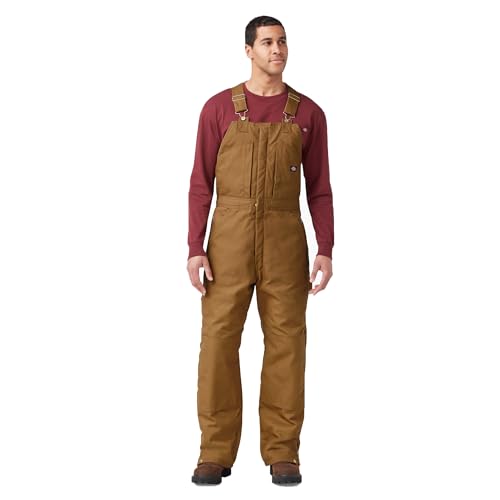


As an Amazon Associate we earn from qualifying purchases at no extra cost to you. Ratings are shown as listed on Amazon.
| Option | Insulation / waterproof spec | Mobility and access | Best fit |
|---|---|---|---|
| Carhartt Yukon Extremes insulated bibs | Insulation weight and waterproof rating vary by model; verify the product label. The line is built around a durable, weather-resistant shell. | Adjustable suspenders and a workwear cut; check the chosen model for knee reinforcement and leg-opening details. | Frequent work in cold, abrasive conditions |
| Sitka Gear Incinerator bibs | Insulated hunting design with waterproof-breathable protection; check the current product specifications for exact rating and insulation details. | Hunting-oriented fit and quiet-shell priorities; verify side-zip length and boot access for the current version. | Cold, low-movement hunts where concealment and weather protection matter |
| Grundéns insulated waterproof bibs | Varies by style. Look for a stated waterproof rating in millimeters if you need a number; do not infer one from “waterproof” alone. | Often designed for foul-weather access and layering; compare leg zips and knee shaping by model. | Rain, spray and wet outdoor work |
| Berne or Walls insulated work bibs | Model-dependent insulation weight; many workwear listings do not provide a waterproof rating. | Practical work pockets and adjustable straps are common; check for articulated knees and full-length side zips. | Budget-conscious users and intermittent winter chores |
How to read insulation and waterproof numbers
Insulation weight in grams usually describes the weight of insulation per square meter, not the bib’s total weight or a guaranteed temperature range. A 100 g/m² layer is lighter than a 200 g/m² layer, but warmth also depends on wind resistance, lining, fit, moisture, activity and what you wear underneath. Insulation specs are not directly comparable when brands use different materials or construction.
For active work—shoveling, loading or walking—too much insulation can make you sweat, then feel colder during breaks. For sitting in a tree stand or working outdoors with long inactive periods, more insulation and a wind-blocking shell can be worth the added bulk. If a product gives no insulation weight, compare its intended use and layering room rather than guessing from appearance.
Waterproof ratings are often expressed as hydrostatic head in millimeters. A higher number indicates greater resistance to water pressure in a lab test, but seam sealing, zippers and wear also affect real-world performance. A waterproof-breathable fabric can still feel clammy during hard exertion. For prolonged rain or kneeling on wet ground, prioritize sealed seams and a documented rating; for snow and brief exposure, a water-resistant finish may be enough.
Pick by situation
| Your use | Prioritize | Trade-off to accept |
|---|---|---|
| Daily construction or maintenance | Reinforced knees and seat, durable shell, adjustable suspenders, easy-to-clean fabric | More weight and noise than hunting fabrics |
| Cold, mostly stationary hunting | Quiet shell, weatherproof construction, insulation and space for base layers | Higher cost and potentially more warmth than needed while hiking |
| Wet, high-output outdoor work | Documented waterproof protection, breathable layers, full-length leg zips | Less abrasion resistance or a louder shell, depending on the model |
| Occasional chores on a budget | Reliable fit, useful pockets, adequate insulation and repairable construction | May lack sealed seams, premium fabrics or articulated patterning |
Fit and mobility matter more than a feature checklist
Try bibs with the layers you expect to wear. You should be able to squat, climb a step and kneel without the crotch pulling tight or the suspenders lifting the shoulders. Articulated knees—panels shaped to bend with the leg—reduce fabric tension when kneeling or crouching. They are especially useful for work, but also help hunters who climb, sit or move through uneven terrain.
Side zips have two jobs: making it easier to put bibs on over boots and improving ventilation when activity raises your temperature. Full-length zips are more convenient than short ankle openings, but add hardware that can snag or fail. Check that the zipper has a storm flap or weather protection if you expect wet snow or rain. Confirm the leg opening fits over your boots without dragging on the ground.
Ownership: what wears first and how to extend service life
On work bibs, knees, seat, cuffs and pocket edges usually take the most abuse. On hunting bibs, watch for snags, zipper damage and worn areas where straps or pack belts rub. Keep cuffs clear of boot heels, use knee pads when the job calls for them, and repair small shell tears before they spread. If a waterproof garment is designed for it, restore its durable water-repellent finish when water stops beading; follow the care label rather than applying treatments blindly.
Wash bibs when dirt, sweat or oils build up, since grime can reduce breathability and interfere with water-repellent finishes. Close zippers and hook-and-loop tabs, use the detergent and drying instructions on the label, and avoid fabric softener unless the manufacturer allows it. Store the garment fully dry. These habits help preserve the shell, but they cannot restore worn-out seam tape or insulation that has become permanently compressed.
Bottom line
For repeated, rough work, start with a durable workwear bib such as Carhartt Yukon Extremes and compare reinforcement and fit. For cold hunting, choose a purpose-built hunting bib such as Sitka Incinerator when quiet movement and weather protection justify the premium. In persistent rain, favor a model with clearly documented waterproof construction. Whichever you choose, verify the exact insulation weight, waterproof rating and side-zip design for the current version—and buy for the activity level and layers you actually use.