Key takeaways
- Sweetener type: Sucralose tends to taste cleanest at first sip but can leave a faint chemical or metallic aftertaste in some people, especially as concentration increases. Stevia has a more natural sweetness curve but a known bitter or licorice-like aftertaste that gets stronger as the shake sits. Monk fruit is the mildest of the three, with little lingering aftertaste, but it’s often blended with stevia or sucralose to boost sweetness, so pure monk fruit-only formulas are rare.
- Protein source and processing: Whey protein concentrate carries more fat and lactose, which adds creaminess but also grittiness risk if not micro-filtered well. Whey protein isolate mixes thinner and smoother but can taste more “watery” without added flavoring.
- Thickeners and gums: Xanthan gum, sunflower lecithin, and inulin affect foam and mouthfeel. More gum generally means more foam and a thicker shake, but too much can create a slimy texture, particularly noticeable once the shake has sat for 15-20 minutes.
- Mixing liquid: Water lets you taste the raw sweetener and any aftertaste more sharply. Milk (dairy or oat) rounds out bitterness, adds natural creaminess, and masks grittiness, but also adds calories and can mute flavor intensity.
What's inside
The best tasting whey protein powder in 2026 is the one whose sweetener and flavor profile matches your palate and how you drink it, and based on formulation data and ingredient panels, the strongest all-around candidates are chocolate and vanilla blends sweetened with a stevia-sucralose blend or monk fruit, since these consistently show less bitterness and less drying aftertaste than single-sweetener formulas. Taste is subjective, but grittiness, foam, and aftertaste are largely determined by ingredients you can check on a label before you buy, and this guide breaks down what to look for and which formulas tend to perform best.
As an Amazon Associate we earn from qualifying purchases at no extra cost to you.
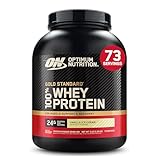


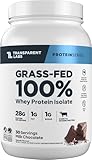
What Actually Determines “Good Tasting” Whey
Four variables separate a protein shake that tastes good from one that tastes like chalk water, and they’re all listed (or inferable) on the label:
- Sweetener type: Sucralose tends to taste cleanest at first sip but can leave a faint chemical or metallic aftertaste in some people, especially as concentration increases. Stevia has a more natural sweetness curve but a known bitter or licorice-like aftertaste that gets stronger as the shake sits. Monk fruit is the mildest of the three, with little lingering aftertaste, but it’s often blended with stevia or sucralose to boost sweetness, so pure monk fruit-only formulas are rare.
- Protein source and processing: Whey protein concentrate carries more fat and lactose, which adds creaminess but also grittiness risk if not micro-filtered well. Whey protein isolate mixes thinner and smoother but can taste more “watery” without added flavoring.
- Thickeners and gums: Xanthan gum, sunflower lecithin, and inulin affect foam and mouthfeel. More gum generally means more foam and a thicker shake, but too much can create a slimy texture, particularly noticeable once the shake has sat for 15-20 minutes.
- Mixing liquid: Water lets you taste the raw sweetener and any aftertaste more sharply. Milk (dairy or oat) rounds out bitterness, adds natural creaminess, and masks grittiness, but also adds calories and can mute flavor intensity.
How Flavor Changes After 20 Minutes
Freshly blended shakes almost always taste best in the first five minutes. After that, three things happen that affect flavor perception, regardless of brand:
- Foam collapses, which concentrates the remaining liquid and can make sweetness taste more intense or syrupy.
- Stevia-based aftertaste becomes more pronounced as your palate’s initial sweetness response fades and the bitter notes linger.
- Whey concentrate formulas can start to separate slightly or thicken further as the protein continues hydrating, increasing grittiness on the back end of the glass.
Practical takeaway: if you’re someone who sips a shake slowly over 20-30 minutes rather than drinking it right away, lean toward monk fruit or sucralose-sweetened formulas over stevia-heavy ones, and favor isolate over concentrate to reduce late-glass grittiness.
Sweetener Comparison at a Glance
| Sweetener | Initial Sweetness | Aftertaste Risk | Aftertaste at 20 Min | Best Mixed With |
|---|---|---|---|---|
| Sucralose | High, very clean upfront | Low-moderate (mild chemical note) | Slightly more noticeable | Water or milk |
| Stevia | Moderate, slower onset | Moderate-high (bitter/licorice) | Noticeably stronger | Milk (helps mask bitterness) |
| Monk fruit | Mild to moderate | Low | Minimal change | Water or milk, both work well |
| Monk fruit + stevia blend | Moderate-high | Low-moderate | Mild increase | Milk |
Flavor and Format Scorecard
Based on typical formulation patterns across major whey brands in 2026, here’s how common flavor types generally score across the five factors that matter most. These are category averages across many products using each sweetener and flavor style, not a single-brand test.
| Flavor Category | Typical Sweetener | Grittiness (Water) | Foam Level | Aftertaste at 20 Min |
|---|---|---|---|---|
| Milk chocolate | Sucralose or stevia blend | Low (isolate) to moderate (concentrate) | Moderate-high | Mild-moderate |
| Vanilla | Monk fruit or sucralose | Low | Low-moderate | Low |
| Cookies and cream | Sucralose | Moderate (cookie bits settle) | High | Moderate |
| Fruity/sorbet-style isolate | Stevia or monk fruit | Very low | Low | Low-moderate |
| Peanut butter | Sucralose blend | Moderate-high | Moderate | Moderate |
Picking by Situation
- You drink shakes with water, fast: Choose sucralose or monk fruit-sweetened vanilla or fruity isolate. These show the least grittiness and don’t need milk’s creaminess to taste balanced.
- You drink shakes with milk, slowly over 20+ minutes: Stevia-sweetened chocolate works well here since milk fat masks the bitter edge, and the slower drinking pace is less of an issue because milk also slows the aftertaste buildup.
- You’re sensitive to artificial-tasting aftertaste: Monk fruit-only or monk fruit-forward blends are the safest bet. Check the ingredient list for “monk fruit extract” listed before or without stevia.
- You want maximum foam and a milkshake-like texture: Look for formulas with added sunflower lecithin or xanthan gum, typically found in cookies and cream or peanut butter flavors, and blend with milk rather than water.
- You add the powder to smoothies or oats rather than drinking it as a shake: Grittiness and foam matter far less here, so this is where stevia-sweetened or budget concentrate formulas are a reasonable choice since the other ingredients mask texture issues.
Reading a Label Before You Buy
You can predict a lot about taste before opening the tub:
- If “sucralose” is the only sweetener listed, expect clean upfront sweetness with a small risk of aftertaste that gets slightly worse over time.
- If “stevia leaf extract” or “steviol glycosides” appears first, budget for a bitter edge, especially past the 15-minute mark. Mixing with milk or adding ice helps.
- If you see “whey protein concentrate” as the first ingredient rather than “whey protein isolate,” expect more creaminess but also more grittiness in water, less so in milk.
- Added gums (xanthan, guar) early in the ingredient list usually mean more foam and a thicker mouthfeel, which some people love and others find slimy once it sits.
Cost Context
Flavor quality doesn’t track tightly with price. Mid-range tubs (roughly $1.00-$1.60 per serving) using monk fruit or well-balanced sucralose blends often taste better and age better in the glass than premium-priced tubs leaning on stevia alone. Budget tubs under $0.80 per serving more frequently use concentrate with heavier stevia sweetening to cut cost, which is where most of the bitter-aftertaste complaints concentrate.
A Few Notes Before You Buy
Taste preference is individual, and sweetener sensitivity varies a lot between people, so what reads as “clean” to one person can taste artificial to another. If you have a known sensitivity to sugar alcohols, artificial sweeteners, or dairy, check the full ingredient panel and consider speaking with a doctor or dietitian before adding any new protein supplement to your routine, particularly if you have digestive conditions or are managing blood sugar.