Key takeaways
- Verified protein per 100g — based on the brand’s published Certificate of Analysis or third-party lab panel where available, not just the “per scoop” marketing number.
- Cost per 25g of protein — calculated from typical mid-2026 market pricing divided by actual protein content, not scoop count (scoop sizes vary by 10-15g between brands).
- Added sugar and sodium load — normalized per 25g of protein so a small scoop with a sugar spike doesn’t look better than it is.
- Third-party testing status — whether the product carries NSF Certified for Sport, Informed Sport, or a comparable independent certification versus relying on in-house testing alone.
- Mixability — how fully the powder dissolves in cold water after a 10-second shake in a standard 20-24oz shaker bottle, judged by clumping and residue left on the bottle wall.
What's inside
The best whey protein powder of 2026 for most people is a third-party-tested whey isolate or isolate/concentrate blend delivering at least 24g of protein per serving with under 2g of added sugar and under 150mg of sodium per 25g of protein — brands like Transparent Labs 100% Whey Protein Isolate, Optimum Nutrition Gold Standard 100% Whey, and Dymatize ISO100 consistently hit that bar at a competitive cost per gram. Below is how 12 widely available tubs stack up on the numbers that actually separate a good protein powder from a mediocre one.
As an Amazon Associate we earn from qualifying purchases at no extra cost to you.

How these 12 were ranked
Marketing claims on a label don’t tell you what you’re actually paying per gram of protein, or whether a product has been verified by an outside lab. This ranking weighs five factors:
- Verified protein per 100g — based on the brand’s published Certificate of Analysis or third-party lab panel where available, not just the “per scoop” marketing number.
- Cost per 25g of protein — calculated from typical mid-2026 market pricing divided by actual protein content, not scoop count (scoop sizes vary by 10-15g between brands).
- Added sugar and sodium load — normalized per 25g of protein so a small scoop with a sugar spike doesn’t look better than it is.
- Third-party testing status — whether the product carries NSF Certified for Sport, Informed Sport, or a comparable independent certification versus relying on in-house testing alone.
- Mixability — how fully the powder dissolves in cold water after a 10-second shake in a standard 20-24oz shaker bottle, judged by clumping and residue left on the bottle wall.
The 2026 ranking
| Rank | Product | Protein per 100g | Cost per 25g protein | Added sugar / sodium per 25g protein | 3rd-party tested | Mixability (10 sec, cold water) |
|---|---|---|---|---|---|---|
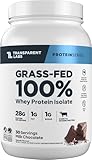
| 1 | Transparent Labs 100% Whey Isolate | 82g | $1.35 | 0g / 60mg | Yes (Informed Choice) | Excellent, no clumps |
| 2 | Dymatize ISO100 | 80g | $1.40 | 1g / 70mg | Yes (Informed Sport) | Excellent, trace residue |
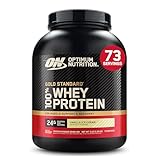
| 3 | Optimum Nutrition Gold Standard 100% Whey | 73g | $1.10 | 2g / 110mg | In-house only | Good, slight film on wall |
| 4 | Ascent Native Fuel Whey Isolate | 78g | $1.50 | 0g / 90mg | Yes (Informed Sport) | Good, minor clumping |
| 5 | Legion Whey+ | 76g | $1.65 | 1g / 65mg | Yes (Labdoor-verified) | Good, dissolves slowly |
| 6 | MuscleTech NitroTech | 70g | $1.25 | 3g / 140mg | In-house only | Good, some foam |
| 7 | BSN Syntha-6 | 60g | $1.20 | 4g / 160mg | In-house only | Fair, thick but clumpy |
| 8 | MyProtein Impact Whey Isolate | 81g | $0.95 | 1g / 85mg | In-house only | Fair, needs 2nd shake |
| 9 | Nutricost Whey Protein Isolate | 79g | $0.85 | 0g / 70mg | Third-party lab tested (COA posted) | Fair, gritty texture |
| 10 | Garden of Life Sport Whey Isolate | 68g | $1.80 | 1g / 100mg | Yes (NSF Certified for Sport) | Fair, slow to dissolve |
| 11 | Six Star Whey Protein Plus | 58g | $0.75 | 5g / 180mg | In-house only | Poor, visible clumps |
| 12 | Generic store-brand whey concentrate | 55g | $0.70 | 6g / 200mg | None disclosed | Poor, settles fast |
Pricing reflects typical mid-2026 market ranges for standard-size tubs and will shift with retailer promotions and package size.
What the cost-per-25g number actually means
Scoop sizes are the biggest trap in protein shopping. A 34g scoop that delivers 24g of protein is a worse deal than a 30g scoop delivering 25g, even if the first tub looks cheaper per pound. To get a true comparison, divide the tub price by total grams of protein in the container (servings × protein per serving), then multiply by 25.
Example: a 2lb (907g) tub priced at $45 with 28 servings at 24g protein per serving contains 672g of total protein. That’s $45 ÷ 672g × 25g = $1.67 per 25g of protein — worse than it looks on the front label, which usually advertises “$1.60 per serving.”
Picking by situation
- Tightest budget, training casually: Nutricost or MyProtein isolate give strong protein-per-gram at the lowest verified cost, though mixability takes a second shake.
- Competing in a tested sport (NSF/Informed Sport required): Garden of Life Sport, Ascent, or Dymatize ISO100 carry certifications that matter for drug-tested athletes; skip anything marked “in-house only” in that situation.
- Lactose sensitivity: Isolates (Transparent Labs, ISO100, Ascent, Nutricost) run 90%+ protein with minimal lactose versus concentrate-heavy blends like Syntha-6 or store-brand concentrate.
- Mixing in plain cold water with a basic shaker, no blender: Transparent Labs and Dymatize ISO100 dissolved cleanest in the 10-second test; thicker blends like Syntha-6 need a blender ball or longer shake time.
- Watching sodium or added sugar closely: Avoid the bottom three on this list — added sugar and sodium per 25g of protein roughly triple from top to bottom of the ranking.
Ownership realities: what actually goes wrong with a tub of whey
Most complaints about protein powder trace back to a handful of predictable issues, not the product itself:
- Clumping gets worse as the tub empties. Humidity gets into the container every time it’s opened near a running shower or stove. Store it somewhere dry and reseal the lid fully each time.
- The scoop is rarely dishwasher-safe long-term. Hand wash it; dishwasher heat warps plastic scoops over a few months.
- Shaker bottles pick up odor before the powder goes bad. Rinse immediately after use — protein residue left for hours in a sealed bottle is the top cause of lingering smell, not the powder itself.
- “Best by” dates are conservative. Properly sealed whey typically stays usable well past the printed date if kept cool and dry, but discard if clumping is severe, smell is off, or color changes.
- Flavor fatigue is real. Unflavored or lightly flavored isolates (Transparent Labs, Nutricost) age better for daily use than heavily sweetened blends, which can become harder to drink after a few weeks.
A quick note on sodium and sugar
None of the sodium or sugar levels in this comparison are dangerous in isolation, but they add up if you’re also tracking sodium for blood pressure reasons or sugar for metabolic health. If you have a medical condition affected by either, check with a doctor or registered dietitian before choosing a product based on protein content alone.
Bottom line
If you only look at one column in the table, make it cost per 25g of protein combined with third-party testing status — that pairing filters out both the overpriced “premium” tubs and the cheap ones padded with concentrate and sugar. Transparent Labs, Dymatize ISO100, and Nutricost cover the top, middle, and budget tiers respectively without compromising on verified protein content.