Key takeaways
- Short ingredient list: fewer additives generally means fewer surprises for sensitive stomachs. Look for whey protein concentrate or isolate as the first ingredient, followed by a handful of recognizable items.
- Scoop size and clumping: whey isolate and whey protein with added lecithin tends to dissolve better with just shaking than plain concentrate, which can clump if your shaker bottle doesn’t have a mixing ball.
- Lactose tolerance: concentrate has more lactose than isolate. If you’re even mildly lactose sensitive, isolate or a “lactose-free” labeled product is the safer starting point.
- Smallest available tub: a 1-pound (about 12-15 serving) or trial-size tub lets you test taste and digestion before committing to a 5-pound bucket.
What's inside
The best whey protein for beginners is a plain-ingredient whey concentrate or blend in a small or trial-size tub, with a short label (whey protein, flavoring, sweetener, maybe lecithin for mixability), moderate lactose that most people tolerate, and a scoop that mixes with just a shaker bottle and water instead of a blender. Starting small matters more than brand name here, since taste preference and digestion are personal and only show up after you’ve actually used the tub for a week or two.
As an Amazon Associate we earn from qualifying purchases at no extra cost to you.
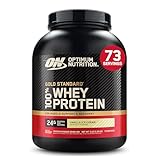


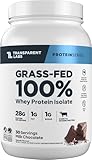
What actually matters when you’re new to protein powder
Most beginner frustration with whey comes down to four things: it clumps in the shaker, it tastes chalky or artificial, it causes bloating because of lactose, or you buy a huge tub and end up with 3 pounds of powder you don’t like. None of these are about protein quality. They’re about format and first-purchase risk.
- Short ingredient list: fewer additives generally means fewer surprises for sensitive stomachs. Look for whey protein concentrate or isolate as the first ingredient, followed by a handful of recognizable items.
- Scoop size and clumping: whey isolate and whey protein with added lecithin tends to dissolve better with just shaking than plain concentrate, which can clump if your shaker bottle doesn’t have a mixing ball.
- Lactose tolerance: concentrate has more lactose than isolate. If you’re even mildly lactose sensitive, isolate or a “lactose-free” labeled product is the safer starting point.
- Smallest available tub: a 1-pound (about 12-15 serving) or trial-size tub lets you test taste and digestion before committing to a 5-pound bucket.
Whey concentrate vs. whey isolate for a first purchase
This is the first real decision, and it’s more useful than picking by brand.
| Factor | Whey Concentrate | Whey Isolate |
|---|---|---|
| Protein per scoop (typical) | 20-24g per ~30g scoop | 24-27g per ~30g scoop |
| Lactose content | Higher (1-5g per serving) | Lower (under 1g per serving) |
| Fat/carbs per serving | 2-4g fat, 2-5g carbs | 0.5-1.5g fat, 1-2g carbs |
| Mixability (shaker only) | Good, occasional light clumping | Very good, dissolves fast |
| Typical price per lb | $10-$15 | $15-$22 |
| Best for | Budget start, no lactose issues | Sensitive stomachs, leaner macros |
If you’ve never had whey before and don’t know how your stomach reacts, isolate is the lower-risk choice despite costing more per pound, simply because digestive discomfort is the most common reason beginners quit protein powder in the first month.
Reading the nutrition panel without the marketing noise
The front of the tub is marketing. The panel on the back or side is where the real decision happens. Here’s what to actually check, in order:
- Protein per serving: look for 20g or more per scoop. Anything meaningfully lower means you’re paying for flavoring and fillers more than protein.
- Serving size in grams, not just “1 scoop”: scoops vary by brand (25g to 35g is common), so compare protein-per-gram-of-powder, not protein-per-scoop, when comparing two products.
- Added sugar: under 2g per serving is typical for a well-formulated product. Higher than that often signals a sweeter, more processed mix.
- Ingredient order: ingredients are listed by weight, so whey protein concentrate or isolate should be first or second on the list, not buried after sugar, oils, and gums.
- Allergen statement: whey is dairy-derived by nature, but check for shared-facility warnings on soy, egg, or tree nuts if you have other sensitivities.
Picks by situation
Rather than one “best” tub, here’s how to match the format to your situation.
| Your situation | What to look for | Why |
|---|---|---|
| First time trying whey ever | 1 lb or trial-size tub, whey isolate, under 5 ingredients | Limits financial loss if you dislike taste or texture; isolate reduces bloating risk while you learn your tolerance |
| Mild lactose sensitivity | Isolate or labeled “lactose-free” whey | Lactose is largely removed in isolate processing and in dedicated lactose-free formulas |
| Tight budget, no known sensitivity | Whey concentrate, mid-size 2 lb tub | Lower cost per gram of protein, acceptable mixability with a standard shaker ball |
| No blender, shaker bottle only | Isolate or concentrate with added lecithin/sunflower lecithin listed | Lecithin is an emulsifier that reduces clumping without needing a blender |
| Sensitive to artificial sweeteners | Stevia or monk fruit sweetened, short label | Avoids sucralose/acesulfame-K aftertaste some beginners find off-putting |
The real cost of starting small
A trial or 1-pound tub costs more per serving than a bulk tub, but the math still favors starting small. A 1-pound tub with 12 servings at roughly $18-$25 works out to about $1.50-$2.10 per serving. A 5-pound tub with 70+ servings at $55-$70 works out to roughly $0.80-$1.00 per serving. That’s a real difference, but if you buy the 5-pound tub first and don’t like the taste or it upsets your stomach, you’ve lost $55-$70 instead of $20. The smaller tub is effectively a $20-$30 insurance policy against buying 5 pounds of something you won’t finish.
Mixing and storage basics that prevent most problems
- Use cold liquid. Warm or room-temperature water encourages clumping regardless of brand.
- Shake, don’t stir. A shaker bottle with a built-in wire or mesh ball breaks up clumps far better than a spoon.
- Add powder to liquid, not liquid to powder. This small order change reduces the dry clumps that stick to the bottom.
- Reseal tightly and keep dry. Humidity is the main cause of hardened, clumped powder over time, more than the formula itself.
- Scoop with dry hands/utensils. Moisture introduced into the tub shortens its usable life well before the printed expiration date.
When to check with a professional
Whey protein is a food product, not a medication, but if you have kidney issues, a diagnosed dairy allergy (different from lactose intolerance), or you’re combining it with other supplements or medications, it’s worth a quick conversation with a doctor or dietitian before adding a daily protein powder habit. For most healthy adults starting out, the main risks are digestive discomfort and wasted money on a tub you don’t finish, both of which the smaller-tub, short-ingredient-list approach above is built to avoid.